
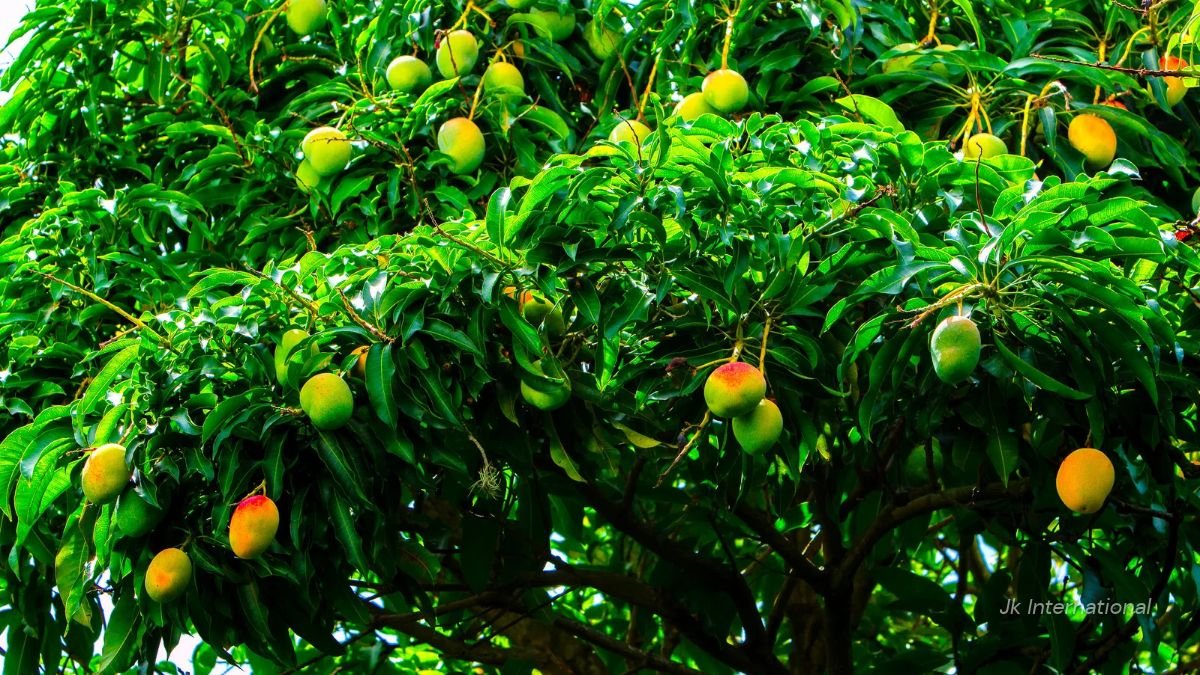
Fresh Mango Exporters from India: A Complete Buyer’s Guide
Direct answer: India is the world’s largest mango producer, and export-grade mangoes are sourced by variety, Brix (sugar) level, and harvest timing calibrated to transit duration — buyers should work with an APEDA-registered exporter who manages cold-chain handling and full phytosanitary documentation from farm to port.
Which mango varieties are best for export?
- Alphonso (Maharashtra) — the most internationally recognized variety, prized for aroma and sweetness, commands premium pricing in Europe, the US, and Gulf retail.
- Kesar (Gujarat) — fragrant, fibre-free flesh, strong demand across the Middle East.
- Banganapalli and Totapuri (South India) — larger fruit, popular for both fresh retail and pulp/processing use.
- Dasheri and Langra (North India) — later-season varieties (June–July), good for buyers wanting extended supply beyond the main Alphonso/Kesar window.
How are export-grade mangoes graded?
Grading covers four factors: size (measured in count-per-box, typically 8–12 fruit per 4–5kg box for premium grades), Brix/sugar content (export-grade Alphonso typically tests 18°Brix or higher), skin finish (free of latex burn, black spot disease, or mechanical damage), and ripeness stage at harvest (mangoes are climacteric and continue ripening in transit, so harvest maturity is calculated backward from the expected arrival date).
What packing and treatment do mangoes need for export?
Mangoes ship in ventilated corrugated boxes designed to protect fruit from bruising while allowing airflow. For markets with strict phytosanitary requirements (the US, Japan, and others with fruit-fly quarantine concerns), mangoes require Vapor Heat Treatment (VHT) or hot water treatment before export — buyers should confirm which treatment protocol their country mandates before ordering.
What documentation should I request for a mango shipment?
- Phytosanitary Certificate
- Certificate of Origin
- Fumigation Certificate (where required by destination country)
- Commercial Invoice and Packing List
- APEDA registration confirmation from the exporter
Why does cold-chain handling matter so much for mangoes specifically?
Mango is a climacteric fruit — meaning it keeps ripening after harvest, driven by ethylene. Reefer container temperature is typically held around 10–13°C during transit (not colder, which causes chilling injury and blackened skin). A single temperature spike of even a few hours can accelerate ripening enough that fruit arrives overripe or with reduced shelf life for retail. This is the single biggest cause of quality disputes in mango trade — ask any supplier specifically how they monitor and log container temperature, not just whether they use a reefer container.
FAQ
Q: What is the typical MOQ for mango exports from India? A: MOQ varies by exporter, but container-load orders (roughly 8–10 metric tonnes for a 20ft reefer container) are standard for wholesale; some exporters offer smaller trial/LCL (less-than-container-load) shipments for first-time buyers.
Q: What is the mango export season from India? A: The main season runs March through July, starting with southern varieties, moving through Alphonso and Kesar (April–June), and extending into Dasheri/Langra through July.
Q: Does India export mangoes to the US and EU? A: Yes, though both markets require specific pre-export treatment (VHT for the US, and compliance with EU pesticide MRL and phytosanitary rules) — confirm your exporter has experience specifically with your destination market’s protocol.
Q: How long do mangoes last after shipping? A: Properly harvested and cold-chain-managed mangoes typically hold 2–3 weeks of shelf life post-harvest if kept at correct temperature, though this shortens once removed from cold storage for ripening.
Ready to source mangoes for the upcoming season? Contact JK International for current availability, grading photos, and a quote.
- Categories:
- All