
How to Export Spices from India? 2026
Exporting spices from India is less about shipping bags and more about absolute discipline and honoring tradition. Behind every container bursting with fragrance is a structured, meticulous process that ensures quality, safety, and compliance with the toughest standards the world throws at us.
The journey starts right at the farm: sourcing clean, mature, export-grade raw spices that are within strict moisture limits. Then comes the careful processing—they must be graded perfectly and packed under strictly hygienic conditions. The final phase is the flurry of paperwork, scheduling the necessary inspections, and dispatching your prized shipment through approved ports.
At JK International, we manage this whole process end-to-end. From procuring the best raw product and performing intense quality checks, all the way through to flawless documentation and smooth logistics, our role is simple: to remove every single point of friction so your buyers receive spices that meet (and exceed) their expectations—consistently, every single time.
Which Indian Spices Are Most in Demand for Export?
Indian spices enjoy rock-steady global demand, but certain heavy-hitters are always dominating the international trade charts. If you want to know where the money is, focus on these top products:
- Turmeric (both powder and whole—the golden star!)
- Red Chilli (whole & ground)
- Cumin seeds
- Coriander seeds
- Black pepper
- Custom Spice Blends and Masalas (This is a growing niche you should watch!)
Demand varies dramatically by buyer. The USA and Europe need clinically clean, residue-compliant spices. Meanwhile, the Middle East and Africa often prioritize powerful aroma, vibrant color, and getting the best possible price.
JK International exports a carefully curated range of whole and ground spices, making absolutely sure the product is perfectly aligned with your destination market’s specific needs.
What Certifications Are Required for Spices Export?
Certifications are not just a stack of paperwork—they’re your proof of reliability. In this business, if you don’t have the paper, you don’t have the trust.
Your core compliance checklist includes:
- FSSAI registration (The baseline for all food in India).
- IEC (Import Export Code) (Your official license to play the export game).
- Phytosanitary certificate (Proof your product is pest-free—critical for farm goods).
- Product-specific lab test reports (Proving quality).
- Buyer-mandated compliance (Especially for the EU and USA—they require extra, extra care).
For those sensitive markets, even the smallest delay in paperwork can cause a shipment to be held or even rejected.
JK International supports our buyers by ensuring complete, accurate, and timely documentation. We coordinate directly with testing labs and inspection authorities so you can avoid those agonizing last-minute complications.
What Is the Shelf Life of Export-Quality Spices?
Shelf life is all about preservation, and it’s a marathon, not a sprint. Generally speaking, whole spices last much longer than ground spices. Why? Because the flavour compounds are protected inside the whole seed or pod.
The two main enemies of shelf life are moisture and bad packaging.
- Proper moisture control prevents mold and stops flavor loss.
- Export-grade packaging is your fortress protecting the aroma.
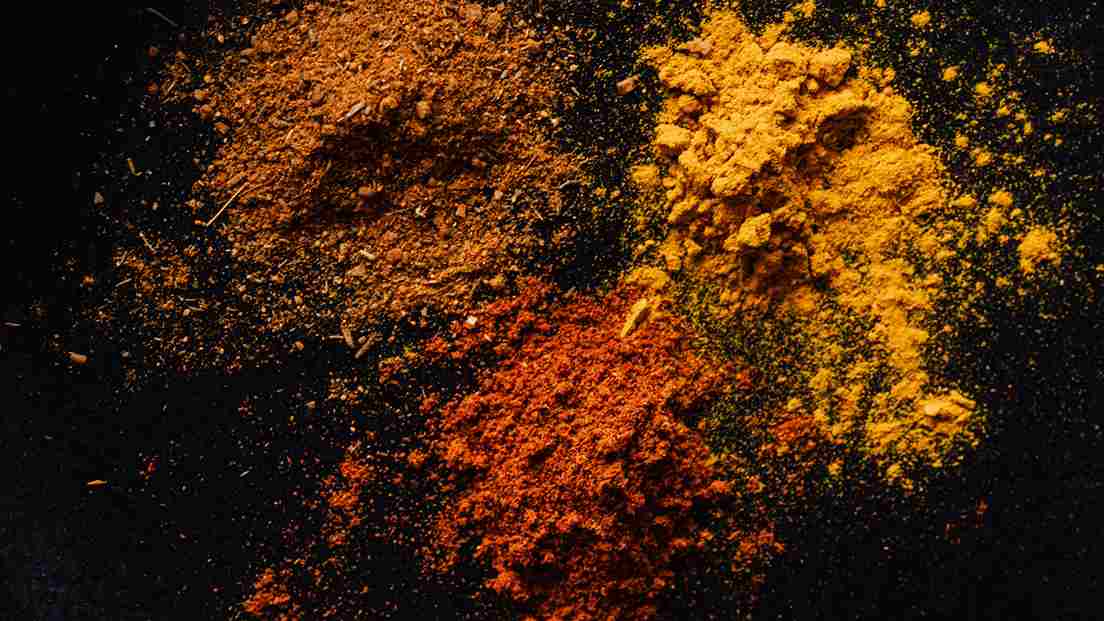
A well-packed shipment should arrive smelling exactly as it left—that warm cumin, that sharp chilli, that unmistakable golden turmeric dust clinging to the air. That’s the promise you are selling.
JK International focuses heavily on moisture control, airtight, multilayer packaging, and batch traceability, ensuring your spices retain their peak aroma, color, and potency throughout transit and storage.
What Is the Minimum Order Quantity for Spices Export from India?
Minimum Order Quantities (MOQ) aren’t harsh, rigid rules; they are simply the most economical starting points for shipping. They vary based on the spice, the form (whole or ground), and the packaging.
While established bulk buyers typically prefer full container loads (it’s the most cost-effective way to ship!), we absolutely understand that new importers need flexibility.
Rather than rigid thresholds, JK International offers flexible MOQ options, especially for partners who are testing new markets or launching private-label products. Our goal is simple: we want to support your growth from the ground up, not restrict it with unrealistic minimums.
Indian Spices Export to USA
Exporting spices to the USA demands the highest level of care. They have the strictest rules for a reason. Buyers here expect the absolute best:
- Strict residue compliance (meaning comprehensive lab reports proving safety).
- Clean labeling and total traceability (they want to know the journey of every pod).
- Consistent particle size and color (for their automated food processing lines).
A US-based importer once told us they rejected a cheaper supplier simply because the lab reports were delayed. Price mattered, yes, but trust—proven by speed and documentation—mattered more.
JK International understands US market expectations deeply. We export spices that align perfectly with FDA norms, buyer specifications, and long-term retail standards, making us the dependable, stress-free sourcing partner for American importers.
Why Choose JK International for Spices Export?
JK International is not just another supplier—we’re your export partner, quality manager, and problem-solver. We offer:
- Premium Product: Export-grade whole and ground spices, sourced fresh and fast.
- Market-Specific QC: Quality control aligned perfectly to your destination (UAE vs. EU standards).
- Documentation Mastery: Complete, smooth export documentation support—no last-minute panic.
- Total Transparency: Clear communication from your first inquiry to the final port delivery.
If you’re sourcing Indian spices for global markets, we’re ready to help you move them with confidence, care, and consistency.
- Categories:
- All